

The interior design industry is growing fast. The Bureau of Labor Statistics says there will be a 5% growth in jobs for interior designers from 2020 to 2030. We’ll share our best tips to help you on this exciting career path.
To be a great interior designer, you need creativity, technical skills, and business smarts. Becoming successful means getting the right education and experience. You also need to have a sharp eye for detail.
Key Takeaways
- Understand the essential steps to become an interior designer
- Learn about the importance of education and training in interior design
- Discover the key skills required to succeed in the industry
- Explore the various career paths available to interior designers
- Gain insights into the industry’s latest trends and outlook
Understanding the Role of an Interior Designer
Starting a career in interior design means diving into a world of art, science, and technology. It’s not just about making things look good. It’s about understanding people, space, and how to make spaces better for everyone.
The Basics of Interior Design
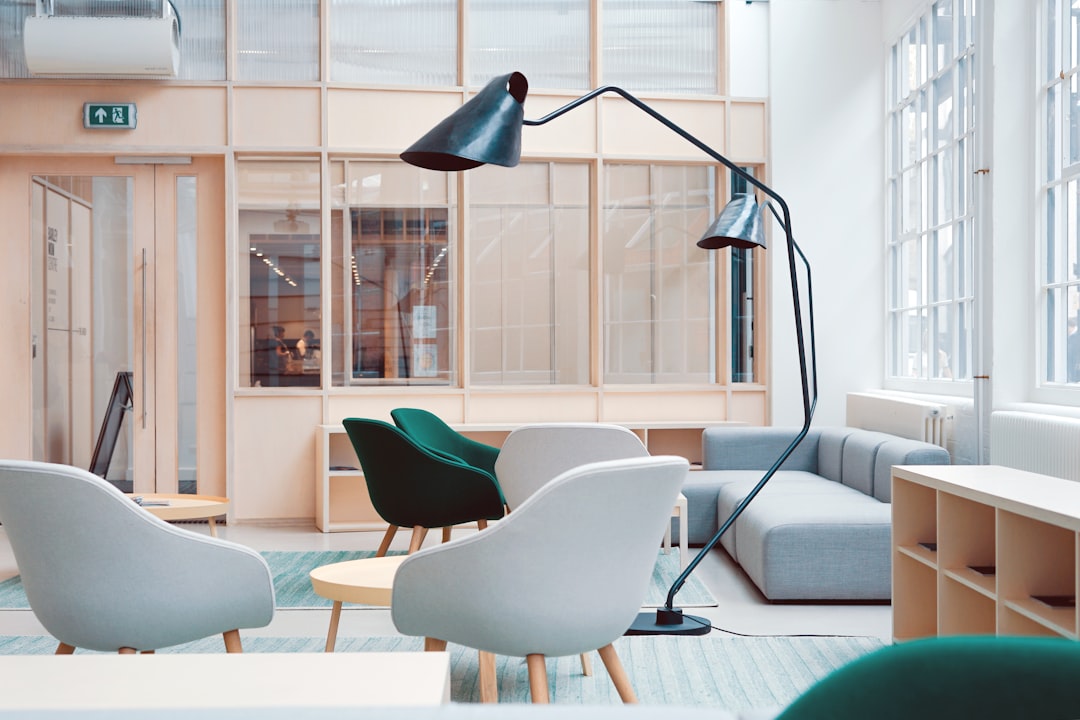
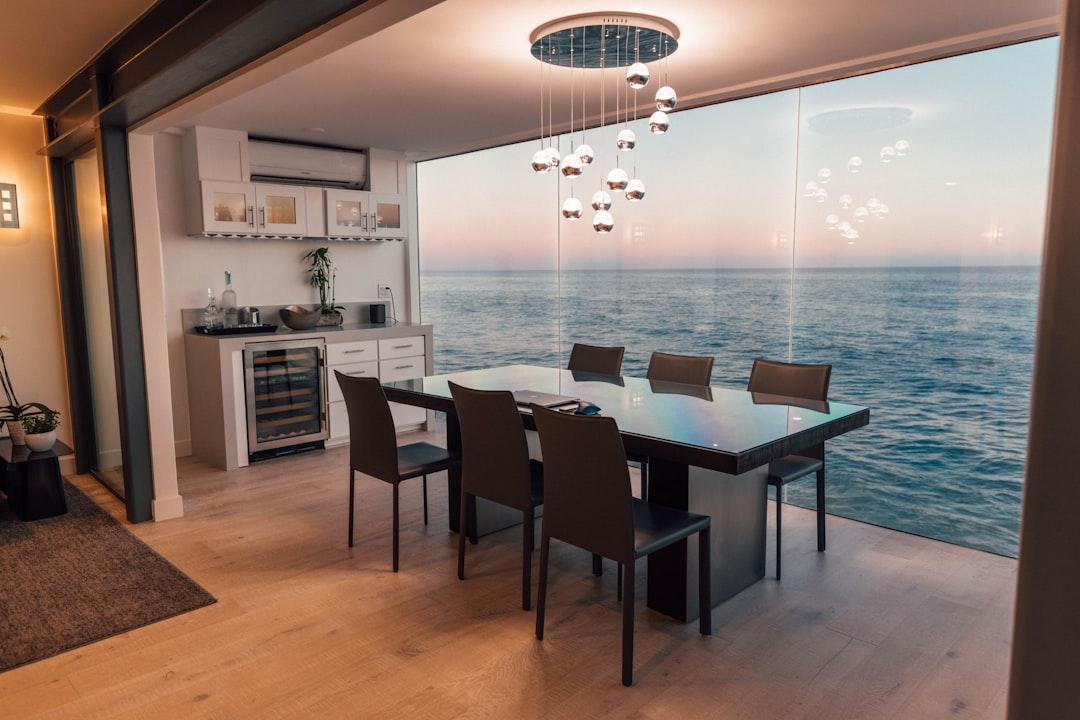
Interior design is about making spaces that look good and work well. It’s about balance, contrast, and making spaces feel right. Designers use these principles to create spaces that are both beautiful and useful.
Designers also need to know about safety, accessibility, and being green. They must keep up with new trends and technologies. This includes smart homes and eco-friendly materials.
Key Responsibilities and Skills
Interior designers do a lot of things, from talking to clients to putting everything together. They plan spaces, pick colors and materials, and make sure projects are done on time and within budget.
To do well, designers need technical, business, and people skills. They should know how to use design software and manage projects. They also need to work well with clients and teams.
Differentiating Interior Design from Other Professions
Interior design is different from architecture and decorating. Interior designers focus on the inside, making spaces better for people. They handle the technical side, like building codes and changes to structures.
Knowing these differences is key for those wanting to be interior designers. It helps clients understand what designers do. As the field grows, interior designers will play a big role in making spaces better for everyone.
Educational Requirements for Interior Designers
To become an interior designer, you need a strong educational base. There are many paths to take in your studies.
Degree Options Available
Interior design programs come in associate’s and bachelor’s degrees. An associate’s degree takes two years and covers the basics. A bachelor’s degree is a four-year program that dives deeper into the field.
Some schools also offer certificate programs or diploma courses. These are great for learning specific skills or for those who want to keep learning. Think about what you want to achieve in your career when picking a program.
Importance of Accreditation
Choosing an accredited program is key. The National Association of Schools of Art and Design (NASAD) and the National Kitchen and Bath Association (NKBA) are important. They make sure programs meet high standards.
Accreditation helps you get certified and licensed. Many programs require you to graduate from an accredited school.
Online vs. Traditional Learning
Online education is becoming more popular. Online programs let you study from anywhere, which is great for those with busy lives. But, on-campus programs offer hands-on learning and face-to-face interaction.
Think about your learning style, career goals, and personal life when choosing. Both online and traditional learning can lead to a successful career in interior design with hard work and dedication.
To become a certified interior designer, you need to finish your education. But, you also need practical experience and to keep up with industry trends.
Gaining Relevant Experience in the Field
The journey to a successful career in interior design is filled with hands-on learning. Gaining relevant experience is key at every stage. It helps us sharpen our skills, find our style, and lay a strong foundation for our careers.
Internships and Apprenticeships
Internships and apprenticeships are great ways to get experience. They let us work with experienced designers, learning the ropes of the business. Internships let us apply what we’ve learned in real situations, while apprenticeships give us a deeper, hands-on experience.
Emily Henderson, a famous interior designer, said, “The best way to start is to stop talking and start doing.” These experiences are crucial for starting a career in interior design, offering the practical skills needed to succeed.
Networking Opportunities
Networking is also essential for growing in interior design. By going to industry events, joining groups, and connecting with designers, we find new chances and stay updated on trends. Building a professional network can open doors to jobs, collaborations, and mentorship.
“Networking is not about just connecting people. It’s about connecting people with opportunities.” – Michele Jennae
Building a Portfolio
A well-made portfolio is key for showing off our skills and experience. It should show a variety of projects that show our creativity and versatility. It’s important to highlight our best work and the design process. This shows our technical skills, problem-solving, and creativity.
To make a great portfolio, include:
- Projects that show our range of skills and styles
- Case studies that explain our design process and challenges
- Testimonials from clients or supervisors
By focusing on internships, networking, and a strong portfolio, we can get the experience needed to thrive in interior design. These steps are vital for pursuing a career in interior design and steps to become an interior designer.
Essential Skills and Traits for Success
Interior design is a field that needs many skills. It’s a mix of creativity and technical know-how. Designers must make spaces that look good and work well.
Creativity and Artistic Vision
Creativity is at the core of interior design. It’s about making spaces that show who we are. As interior designers, we keep up with new trends and tech to bring fresh ideas.
Jonathan Adler once said, “Design is about creating a space that makes you feel a certain way.” This is what we do as interior designers.
Technical Proficiency
Technical skills are also key. Knowing design software like AutoCAD and SketchUp is important. We also need to know about building codes, green design, and materials.
- Proficiency in design software like AutoCAD and SketchUp
- Knowledge of building codes and regulations
- Understanding of sustainable design principles
Communication Skills
Good communication is vital for interior design success. We listen to clients, share our ideas clearly, and work with others. As the saying goes, “The art of communication is the language of leadership.” In our field, it’s about making clients’ dreams come true.
“The way you communicate with your clients can make or break your project. It’s not just about the design; it’s about understanding their needs and preferences.” –
By improving these key skills—creativity, technical skills, and communication—we can handle the challenges of interior design. This way, we can reach success in our careers.
The Importance of Certification and Licensing
Certification and licensing are key to a successful career in interior design. They boost our professional image and follow legal and industry rules.
Choosing the Right Certification Program
Choosing a certification program involves several factors. We need to look at the program’s reputation, what it teaches, and its industry standing. The National Kitchen and Bath Association (NKBA) and the American Society of Interior Designers (ASID) are well-known for their programs.
It’s smart to compare different programs. Here’s a table showing some differences:
| Certification Program | Focus Area | Eligibility Criteria |
|---|---|---|
| NKBA | Kitchen and Bath Design | Completion of NKBA’s Professional Development Program |
| ASID | General Interior Design | Completion of ASID’s Professional Level Education Requirements |
The Benefits of Being Certified
Certification brings many benefits. It boosts our credibility, job chances, and pay. Certified designers show they’re experts and keep up with new trends.
Some main benefits are:
- Enhanced Professional Credibility: It shows our skill and commitment.
- Improved Job Prospects: Many jobs want or need certified designers.
- Increased Earning Potential: Certified designers usually earn more.
State-Specific Licensing Requirements
Licensing rules for interior designers vary by state. It’s important to know the rules in our area. Some states need a license, while others are more relaxed.
To get licensed, we usually have to:
- Meet the state’s education and experience needs.
- Pass the National Council for Interior Design Qualification (NCIDQ) exam.
- Keep our license by taking more classes.
By following these rules, we can have a successful and legal career in interior design.
Developing a Personal Design Style
In interior design, creating a personal style is more than looks. It’s about building an identity that clients love and makes us stand out. As we move through our interior design career path, our style becomes a key part of who we are as designers.

Exploring Various Design Styles
To find our personal design style, we need to look at all the different styles out there. From modern and simple to traditional and mixed, each style has its own beauty. When pursuing a career in interior design, knowing these styles is key.
- Modern Style: Known for clean lines, little decoration, and being very functional.
- Traditional Style: Full of classic details, this style uses fancy patterns, deep colors, and old elements.
- Eclectic Style: A mix of styles and times, eclectic design is about making a space that shows off your taste.
Creating a Signature Look
Creating a signature look means making our design philosophy clear in our work. This makes our work stand out and helps us be recognized by clients and other designers. By focusing on a specific interior design career path, we can make our style better fit what our clients need.
- Find out what you’re good at and what you like as a designer.
- Choose a color palette or materials that show your style.
- Keep up with new trends but stay true to your unique look.
Adapting to Client Preferences
While having a personal design style is important, being able to change for clients is just as key. Understanding the steps to become an interior designer means knowing how to mix our style with what our clients want.
To find this balance, we should:
- Really listen to what our clients need and want.
- Share our design ideas clearly, making sure they match what the client wants.
- Be open to changing our design based on what our clients say.
Building a Professional Portfolio
In the competitive world of interior design, a professional portfolio is key. It helps us show our skills, experience, and style. This is important for attracting new clients and employers.
Essential Elements of a Portfolio
Creating a portfolio means showing off our range and versatility. Here are key elements to include:
- Diverse Project Examples: Show a mix of residential, commercial, and other projects. This highlights our different design styles and challenges.
- Before-and-After Photos: These photos can be very compelling. They show how we can transform spaces.
- Client Testimonials: Positive feedback from clients adds credibility. It shows we can work well with others.
- Design Process Documentation: Sharing our design process helps potential clients understand our approach. It shows our problem-solving skills.
Tips for Showcasing Your Work
It’s important to showcase our work effectively. Here are tips to make our portfolio stand out:
- High-Quality Images: Use professional photography to highlight our projects.
- Clear and Concise Descriptions: Give context for each project. Explain the challenges and how we solved them.
- Organized Layout: Make sure our portfolio is easy to navigate. A logical flow helps the viewer understand our work.
Digital vs. Physical Portfolios
In today’s digital age, we can choose between digital and physical portfolios. Each has its own benefits:
| Portfolio Type | Advantages |
|---|---|
| Digital Portfolio | Easy to share online, can be updated easily, and reaches more people. |
| Physical Portfolio | Offers a tactile experience, engages in face-to-face meetings, and adds a personal touch. |
Having both digital and physical portfolios gives us flexibility. We can adapt to different situations and audiences.
Marketing Yourself as an Interior Designer
To succeed in interior design, you need a solid marketing plan. We’ll look at ways to market yourself, like building an online presence, using social media, and joining professional groups.
Establishing an Online Presence
In today’s world, a professional online presence is key for designers. Start with a website that shows your work, services, and how to reach you. A well-designed website draws in clients and shows off your skills.
Make sure your website has:
- A portfolio that showcases your best work
- Client testimonials to prove your worth
- A blog for sharing design insights
- Clear contact info and a form for inquiries
Utilizing Social Media Effectively
Social media is a great tool for designers to market and connect with clients. Share quality content like project photos, design tips, and industry news. Consistency is key to keep your audience interested.
Good social media strategies include:
- Posting content that your audience will like
- Engaging with followers by answering comments and messages
- Using hashtags to get more visibility
- Working with influencers or other industry pros
Joining Professional Organizations
Joining professional interior design groups can boost your career. These groups offer networking, learning, and access to resources. Membership shows you’re committed to staying up-to-date with industry standards.
Benefits of joining include:
- Continuing education opportunities
- Networking events to meet peers and clients
- Support for the interior design field
- Chances to lead or participate in initiatives
Understanding Industry Trends
The world of interior design is always changing. It’s key to keep up with the latest trends. Knowing these trends is crucial for our success as interior designers.
Keeping Up with Design Innovations
Design innovations are at the heart of the interior design world. To stay ahead, we need to know about new materials, technologies, and design ideas. This means:
- Following design leaders and influencers on social media.
- Joining webinars and online courses on new design trends.
- Reading industry publications and blogs for updates.
By doing this, we can use these innovations in our work. This makes our designs better and sets us apart in the competitive market.
Attending Trade Shows and Exhibitions
Trade shows and exhibitions are great for interior designers. They let us see the latest trends, meet suppliers and peers, and learn about the future of the industry. At these events, we can:
- Find new materials and products for our designs.
- Discover the latest technologies to improve our designs.
- Network with others, opening up new opportunities.
Following Influential Designers
Following influential designers is another good way to stay updated. These designers share their insights and favorite designs on social media and blogs. By following them, we can:
- Get inspired by their work and projects.
- Learn about their design principles and philosophies.
- Keep up with the latest trends and innovations they use.
Let’s look at a comparison of different design styles and their characteristics in the table below:
| Design Style | Characteristics | Popular Elements |
|---|---|---|
| Modern | Minimalist, functional | Clean lines, monochromatic palette |
| Traditional | Classic, ornate | Rich colors, intricate patterns |
| Contemporary | Ever-changing, eclectic | Bold colors, mixed materials |
By understanding these trends and using them in our work, we can make sure our designs are relevant and appealing. This not only improves our portfolio but also helps us on our interior design career path.
Navigating Your Interior Design Career
Starting your interior design career opens up many opportunities and challenges. It’s important to understand the industry well. This helps you make smart choices about your career path.
Job Opportunities in Various Settings
Interior designers can work in many places, like homes, offices, and hotels. Each place has its own challenges and chances to be creative.
- Residential design means making spaces just for homeowners. It’s all about knowing what they want.
- Commercial design is about making spaces that are both useful and look good. This includes offices and shops.
- Hospitality design is about creating special experiences for guests. This is in hotels, restaurants, and more.
Freelancing vs. Working for a Firm
Choosing between freelancing and working for a firm depends on what you want. Think about your goals, what you like, and your money situation.
| Aspect | Freelancing | Working for a Firm |
|---|---|---|
| Autonomy | You have a lot of control over your work and clients. | You work in a set place with clear duties. |
| Financial Stability | Your money can change with each project. | You get a steady salary and benefits. |
| Networking Opportunities | You get to work with different clients and projects. | You meet many people and work on various projects with your colleagues. |
Advancing Your Career
To move up in your career, keep up with trends, build your network, and improve your skills.
“Continuing education is key in interior design. It boosts your skills and keeps you up-to-date with new trends and tech.” –
Here are some ways to grow your career:
- Get certifications, like becoming a certified interior designer.
- Go to conferences and workshops to learn and meet people.
- Make a strong online presence with social media and a website.
Continuing Education and Professional Development
Interior designers know their field is always changing. To keep up, we must keep learning and growing. This helps us improve our skills and stay competitive.
Lifelong Learning in Interior Design
Learning for life is key for interior designers. It helps us know the newest trends, tech, and methods. By continuing our education, we learn more about what’s needed in our field.
Workshops and Seminars for Professional Growth
Workshops and seminars are great for learning and meeting others. They cover important topics like becoming an interior designer. They also share the latest in the industry.
Staying Current with Industry Standards
We must keep up with industry changes to stay expert. We do this by reading publications, going to conferences, and joining groups. This way, our designs are always top-notch and up-to-date.